
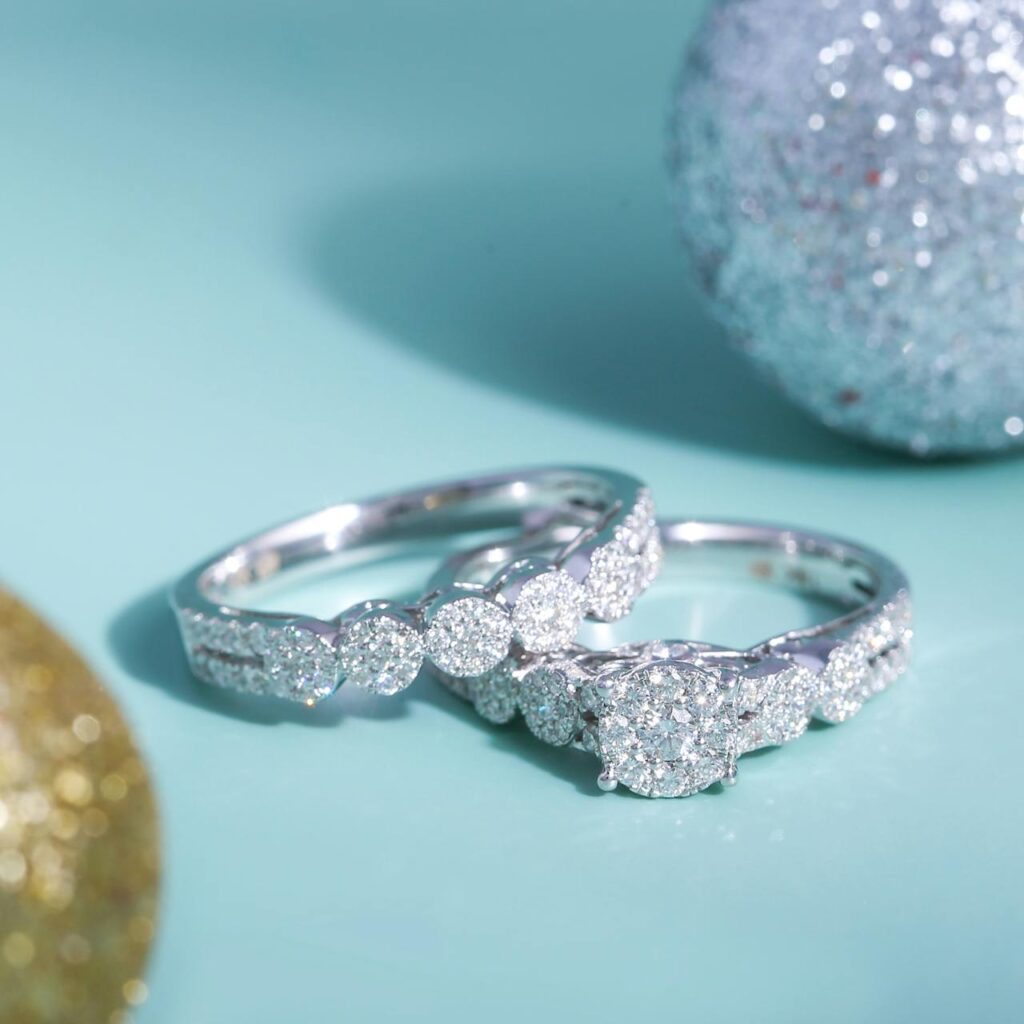
Engagements have always been a curious blend of sentimentality and practicality. There is the emotional swell of choosing a lifelong partner, paired with the very real matter of selecting a piece of jewellery that will live with someone every day. Recently, another layer has entered the conversation. More and more couples are thinking about where their rings come from and what stories those materials hold before ever reaching a finger.
It is not so much a trend as a broader cultural shift. Awareness about sourcing, mining and consumption has seeped into fashion, travel, food and now jewellery. As a result, sustainable engagement ring options are no longer niche or whispered between like minded people. They have become a genuine part of how modern couples interpret commitment.
The Desire for Meaning Beyond Sparkle
For decades, marketing centered around the sparkle. The larger, the brighter, the better. Now, sparkle is still appreciated, but many want more from their ring than optical brilliance. They want meaning that extends backward into the supply chain and forward into the future.
Some find themselves drawn to rings made with recycled precious metals. For others, the emerging world of laboratory grown diamonds opens an entirely new category of design. The motivations vary. Some are environmental, others ethical, and some are simply curious about how modern technology can reimagine something as old as a diamond.
What seems clear is that the motivations are layered. Rarely does someone choose a sustainable option for only one reason. It has become a way to align values with a deeply personal purchase.
Understanding Where Materials Come From
Traditional jewellery draws on natural resources that carry histories, sometimes complicated ones. Gold mining, for example, has been romanticized in films, yet the reality often involves enormous environmental disruption and difficult labor conditions. Diamonds have their own tangled narrative that most people are at least vaguely aware of.
In conversation, the topic can feel heavy for something associated with romance. Yet people seem willing to hold both truths at once. A ring can symbolize love and partnership while also prompting questions about fairness and stewardship. The two ideas do not cancel each other out. Instead, they give the object a more nuanced story.
The rise of laboratory grown diamonds has been particularly interesting. They possess the same chemical composition and sparkle as natural diamonds, but they are created in controlled environments rather than extracted from the earth. Their rise has challenged traditional assumptions about what makes a stone valuable. Some cherish the idea that a diamond can be born of science and human ingenuity rather than geological time.
Metal With a Past Life
Recycled metal has also grown more familiar in recent years. Gold and platinum are infinitely recyclable without degrading in quality, so old jewellery, industrial scraps and legacy pieces can be melted down and reformed into something new.
There is something poetic about metal that has already lived other lives. It may have been a brooch in the 1940s, a cufflink worn to work each day or an earring that went out of style. Once melted and refined, none of that is visible, but the continuity feels comforting in an abstract way.
Recycling metals also reduces the need for additional mining. In a world that is increasingly cautious about resource extraction, this small shift resonates with many who prefer not to add further weight to the planet when celebrating something joyful.
Modern Craftsmanship Meets Technology
Craftsmanship has always been central to jewellery, but technology is reshaping the process. Computer aided design allows for precision and experimentation that would have been difficult to achieve by hand alone. Stone settings can be tested digitally before someone ever touches metal.
This marriage of human skill and technology makes sustainability more achievable. It reduces waste by minimizing trial and error and encourages designs that benefit from efficiency rather than excess. The result is not cold or industrial. Instead, it feels like a dialogue between past and future, the bench jeweller and the algorithm.
Sentiment and Second Hand Stones
Not all sustainable engagement ring options involve new materials. Vintage and second hand rings have long captured the imagination for entirely different reasons. They carry history, mystery and sometimes a bit of glamour from an era that no longer exists.
Choosing a vintage ring sidesteps modern manufacturing altogether, which appeals to those who enjoy both sustainability and nostalgia. Some pieces come with unusual cuts that have fallen out of mainstream fashion. Old mine cut diamonds, for example, have a soft, candlelit glow that differs from the icy brilliance of contemporary stones.
There is also a growing interest in repurposing heirlooms. Stones can be reset into contemporary settings, offering a blend of old and new. The sentimental weight can be considerable. Wearing a grandmother’s diamond in a fresh design links generations within a single object.
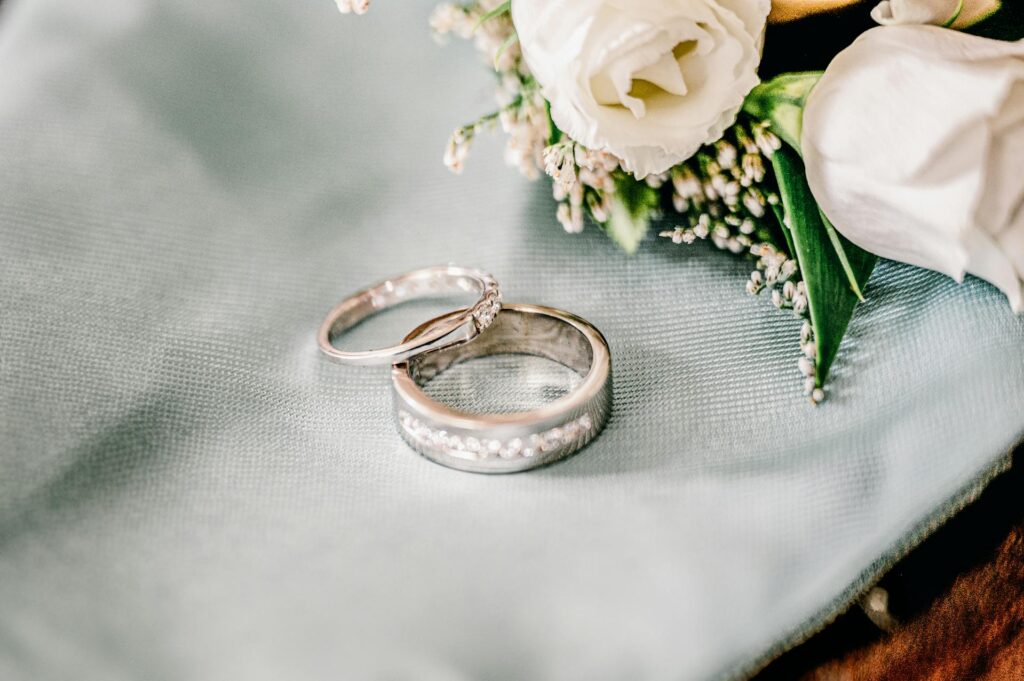
The Quiet Impact of Conscious Choices
It is worth noting that not everyone approaches sustainability with loud declarations. Many make these choices quietly. They might not identify as environmentalists or see themselves as part of a movement, yet they feel drawn to options that align with their sense of responsibility.
The jewellery world has taken note of this shift, though not always in obvious ways. Design language has changed. Choices that were once viewed as alternative are now mainstream enough to be discussed casually over dinner or in group chats where proposals become a topic of curiosity.
A Broader Cultural Reflection
The move toward sustainability in engagement rings parallels larger changes in how people consume. From second hand clothing to slow travel, individuals are rethinking the relationship between objects and identity. The engagement ring is simply one of the more symbolic objects undergoing this transformation.
It also reflects a subtle change in how love is expressed. Grand gestures are not disappearing, but they are becoming more thoughtful. A proposal on a mountain at sunrise speaks to a desire for intimacy rather than spectacle. A ring chosen for its origins suggests that values are now a form of romance.
The Future of Tradition
Despite all this evolution, tradition remains surprisingly intact. Rings are still exchanged. Proposals still gather stories and photographs. Families still beam at the news. What is changing is the meaning woven into the materials themselves.
Sustainability has reoriented the conversation without dismantling it. It invites people to consider how love intersects with the planet, and how celebration can coexist with responsibility.
In a way, the shift feels like a natural continuation of engagement as a concept. Engagement is about the future, after all. It marks a promise not just to a person, but to time. Considering the world that future will unfold in seems entirely fitting.
And perhaps that is why sustainable engagement ring options feel less like a trend and more like a quiet, thoughtful evolution of a very old ritual.